How to choose the best personal alarm service
If you're looking for a personal alarm service, it's important to understand what happens after the alarm is activated.
While features and pricing are often the first things people compare, the level of service behind the alarm can make a significant difference during an emergency.
When comparing alarm service providers, consider:
- Who answers when I press the button?
- How quickly does someone respond?
- What happens if I can't speak?
- Will responders know about my existing health conditions?
The answers to these questions often depend on whether the service is monitored or non-monitored.
Not all alarm services are the same
There are two main types of personal alarm services: monitored and non-monitored.
Monitored services
The alarm connects to a 24/7 emergency response centre, where trained operators receive the alert, assess the situation and arrange assistance.
Non-monitored services
The alarm sends alerts to nominated contacts, such as family members, friends or carers. Receiving and responding to the alert depends on those contacts being available.
Who answers when the alarm is activated?
Monitored services
Every alert is answered by a professional emergency response team. The responders are trained to handle emergencies and triage every emergency situations as required.
Non-monitored services
The alarm calls, texts or sends an app notification to the first contact on a pre-programmed list. If they don't respond, the alarm will attempt the next person on the list, then the next, until someone responds. If no one is available to respond, help may not arrive.
How quickly does someone respond?
Monitored services
Because the emergency response team is available 24/7, all alerts are answered quickly, usually in less than 2 minutes.
Non-monitored services
Depends how long it takes for a contact to notice the call from the alarm and respond.
What happens if I can't speak?
Monitored services
Help can still be arranged even if you're unable to communicate. Your details are kept on file, including your location, medical information and emergency contacts, allowing operators to assess the situation and coordinate the appropriate response.
Non-monitored services
If you activate the alarm but can't speak, your contacts may have limited information about what has happened or what assistance is needed. This can delay a response and make it more difficult to get the right help.
Will responders know about my existing health conditions?
Monitored services
Relevant information, including including medical conditions, relevant health history and medications is securely stored in the system. When the alarm is activated, responders have immediate access to your details.
Non-monitored services
Medical information generally cannot be stored on the alarm itself. Unless you're able to communicate your medical history during an emergency, the person responding may not be aware of any existing health conditions.
Common mistakes when comparing personal alarms
1. Choosing based on the device alone
Many personal alarms look similar and offer features such as fall detection and GPS. The biggest difference is what happens after the alarm is activated, including who answers, how quickly they respond and how assistance is arranged.
2. Assuming all emergency response centres are the same
Not all monitoring centres operate to the same standard. An Australian-based professional emergency response centre offers dedicated monitoring, trained operators and local knowledge when coordinating assistance.
3. Overlooking response guarantee
In an emergency, you want to know someone will answer. Monitored services answer every alert, fast. With non-monitored alarms, a response is not guaranteed and depends on a contact seeing the alert and being available to help.
4. Not considering what happens if communication isn't possible
Many people assume they'll be able to explain the situation when they activate their alarm. However, falls, medical events and injuries can make communication difficult or impossible.
5. Focusing on monthly cost instead of reliable support
A lower-cost service may seem attractive, but it's important to consider the reliability and level of support provided when help is needed.
6. Not considering compliance with Australian Standards
Not all alarm service providers comply with AS 4607, the Australian Standard for personal alarm services. Non-compliance may mean they may noyt follow recognised guidelines and protocols for emergency response and ongoing service delivery.
7. Not considering ongoing support
Not all providers offer ongoing technical support and customer service. It's important to choose a provider that can assist if there's an issue with the alarm or the service.
|
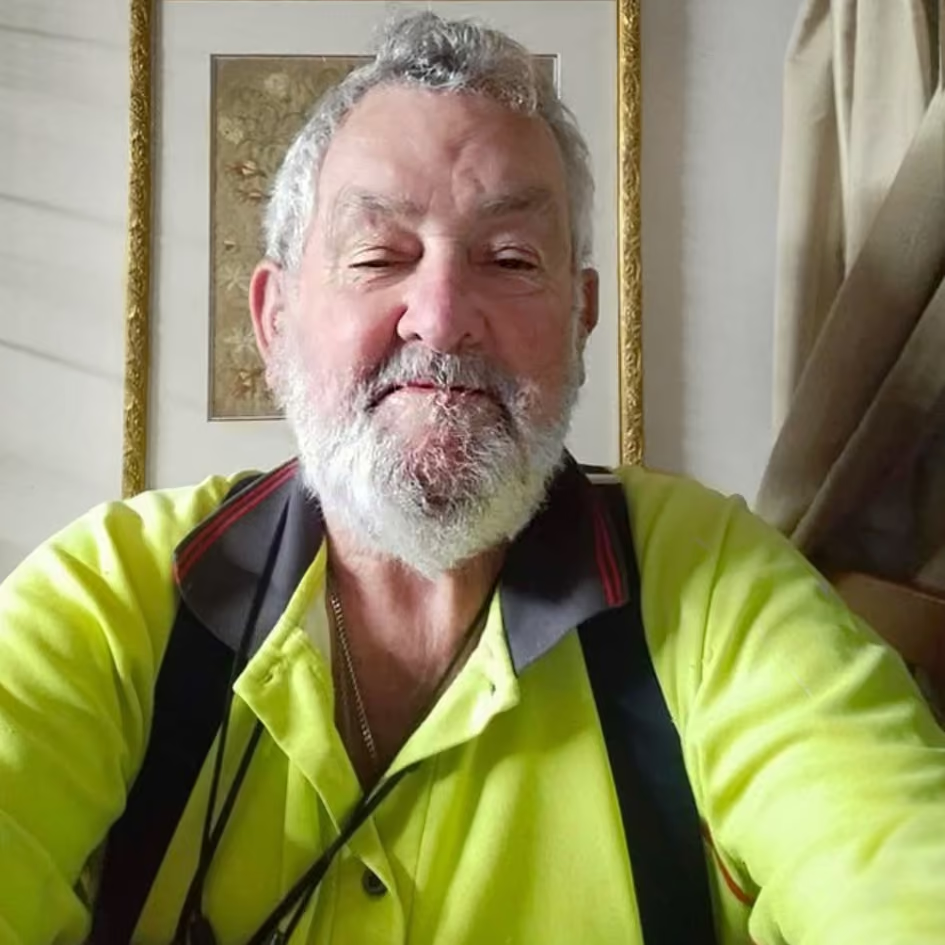
Erik's StoryLearn why Erik chose MePACS as his personal alarm service and the difference it has made to his independence. Read more |
Questions most people don't think to ask
When comparing personal alarm services, it's easy to focus on features and cost. But if you're looking for a service that's reliable, effective and trustworthy, these important questions are worth asking:
Where is the monitoring centre located?
Not all services are based in Australia, and some Australian providers use offshore call centres. Look for a provider with a dedicated Australian-based emergency response centre.
Are responders specifically trained to handle emergencies?
Some providers use third-party call centres with operators who are not trained for emergency situations. Look for operators trained in Triple Zero protocols and first aid.
How long has the provider been operating?
When it comes to emergency response, experience matters.
Why do some people choose a non-monitored alarm service?
Because there are no ongoing monitoring fees, non-monitored alarms are often seen as a lower-cost option. However, many people don't consider what this means in a real emergency.
For people with a strong support network who are always available to help, a non-monitored alarm may be suitable. But for those who don't, it can mean being left without support when they need it most.
Can I get funding for a monitored personal alarm?
Monitored personal alarms may be funded through a range of government programs, including:
NDIS
Eligible Australians under 65 who live with a disability can access funding for assistive technology, including moniotored personal alarms. Learn about NDIS funding.
Support at Home program
Eligible Australians aged 65+ can access funding for monitored personal alarms through the Assistive Technology and Home Modifications (AT-HM) scheme. Learn about Support at Home funding.
Personal Alert Victoria (PAV)
Victoria offers the state-funded Personal Alert Victoria program, which provides a free, 24/7 monitored personal alarm system for eligible residents. MePACS is the sole service provider for PAV.
Personal Alert AssistanceSA (PAASA)
Personal Alert AssistanceSA program provides government funding for approved personal alert systems to eligible South Australians.
Not sure which funding option is right for you?
Our guide to personal alarm funding explains the available programs and eligibility requirements, and the MePACS team can help answer any questions.
How do I know if my alarm provider is reputable?
A good place to start is checking whether they're a member of PERSL, the professional industry association for personal alarm service providers and manufacturers in Australia.
PERSL members must comply with AS 4607, the Australian Standard for personal alarm services. The standard sets requirements for alarm reliability, monitoring protocols and service delivery, helping ensure providers operate to recognised industry requirements.
For alarm users, PERSL membership and AS 4607 compliance are strong indicators that a provider takes quality, safety and emergency response seriously.
Why choose MePACS?
When you press a personal alarm, you're placing a lot of trust in the person who answers.
That's why it's important to know who's on the other end of the call.
MePACS is a division of Bayside Health, a Victorian public health service, and has been supporting Australians for more than 35 years. Our Emergency Response Centre is based in Melbourne and staffed by dedicated MePACS employees, not outsourced call centre operators.
When an alarm is activated, it is answered by trained Emergency Response Operators who are trained in Triple Zero protocols and first aid. They're there to assess the situation, coordinate assistance and stay involved until help has been arranged.
As a member of PERSL and a provider that complies with Australian Standard AS 4607, MePACS operates to recognised industry standards for personal alarm services. We also provide ongoing technical support and customer service for our clients.
For many people, choosing a personal alarm isn't really about the alarm itself. It's about knowing that if something goes wrong, an experienced, caring person will be ready to help.
Real peace of mind comes from knowing that when the button is pressed, it won't ring unanswered, go to voicemail or rely on someone noticing a missed call.

|
Find the right personal alarmWhether you're looking for extra support at home or on the go, our team can help you choose the option that's right for you. Contact Us |