Why a heatwave protocol matters
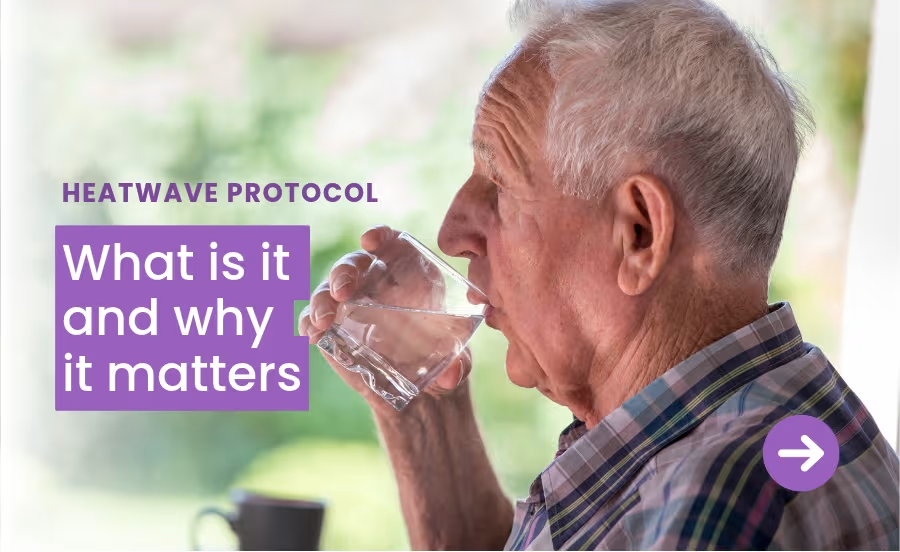
When the temperature rises, so does the risk: How MePACS supports vulnerable Australians during heatwaves
For many Australians, a hot day is an inconvenience. For older people, people living with disability, and those managing chronic health conditions, a heatwave can quickly become a serious health risk.
Heatwaves are among Australia's deadliest natural hazards, increasing the risk of dehydration, heat exhaustion and heatstroke. People with reduced mobility, chronic illness, cognitive impairment, or limited access to cooling are particularly vulnerable.
As heatwaves become more frequent and intense, staying safe requires more than preparation alone. It requires access to support that can recognise risks early and respond quickly when help is needed.
This is why MePACS has established protocols and train our Emergency Response Operators to recognise and respond to the increased risks associated with extreme heat.
At a glance: MePACS' Heatwave Protocol: During periods of extreme heat, MePACS activates a specialised Heatwave Protocol. Trained Emergency Response Operators assess whether heat may be contributing to a client's situation, ask additional safety questions, provide practical advice to reduce heat-related risks and assist clients in accessing appropriate support when needed.
Why vulnerable people are at greater risk during extreme heat
Extreme heat affects everyone differently, but some people face significantly greater risks.
Older Australians can be less able to regulate their body temperature and may not always recognise the warning signs of heat-related illness. People living with disability may experience barriers to accessing cooler environments, while those with chronic conditions such as heart disease, respiratory illness or diabetes can face serious complications during periods of extreme heat.
People who live alone may be at even greater risk. Symptoms can develop gradually and, without someone nearby to notice changes, what starts as mild discomfort can escalate into a medical emergency.
For healthcare professionals, aged care providers, support coordinators and NDIS providers, heatwave preparedness should be an important part of every client's care plan.
Heat-related illness isn't always easy to recognise
One of the challenges of heat-related illness is that the symptoms can resemble other health concerns.
A person may activate their personal alarm because they feel dizzy, weak, confused or generally unwell. While these symptoms can indicate a range of medical issues, they can also be early signs of heat exhaustion or heatstroke during a heatwave.
Without the right questions, the underlying cause may be missed.
That's why effective emergency response during extreme heat requires more than responding to an alarm activation. It requires an understanding of how environmental conditions can contribute to a person's health and wellbeing.
How MePACS responds during heatwaves
During periods of extreme heat, MePACS Emergency Response Operators are trained to consider heat-related illness as a possible contributing factor when supporting clients.
This forms part of our Heatwave Protocol, an additional layer of support designed to identify potential risks that may otherwise go unnoticed.
When a client activates their personal alarm during a heatwave, operators may ask questions such as:
- Are you feeling unwell because of the heat?
- Do you have access to air conditioning or cooling?
- Have you been outside in the heat today?
These simple questions can provide valuable context and help operators assess whether extreme heat may be contributing to the situation.
By considering environmental conditions alongside reported symptoms, our team can make more informed decisions about the most appropriate response.
Supporting clients before an emergency occurs
Responding to emergencies is only part of staying safe during extreme heat.
When the Heatwave Protocol is activated, MePACS also encourages clients to take simple preventative measures, including:
- Drinking plenty of water to stay hydrated
- Spending time in cool or air-conditioned environments
- Closing blinds and curtains to reduce indoor temperatures
- Limiting unnecessary outdoor activity during the hottest parts of the day
- Monitoring how they feel and seeking help if symptoms develop
These practical steps can help reduce the risk of heat-related illness and support safer, more independent living at home.
Why heatwave preparedness matters
Heatwaves are becoming a regular part of Australian summers, making emergency preparedness more important than ever.
Healthcare professionals, aged care providers, support coordinators and family members all play a role in helping vulnerable people understand their risks and prepare for periods of extreme heat.
A monitored personal alarm can provide an important safety net. A monitored personal alarm service supported by trained Emergency Response Operators who understand the risks of extreme heat provides an additional layer of protection.
Through specialist training, situational awareness and established Heatwave Protocols, MePACS helps ensure clients receive the right support at the right time. Because when it comes to extreme heat, recognising the warning signs early and accessing support quickly can make all the difference.

|
Find the right personal alarmWhether you're looking for extra support at home or on the go, our team can help you choose the option that's right for you. Contact Us |