
Chronic pain and independent living: What you need to know
.avif)
What is chronic pain?
Chronic pain is pain that persists for longer than three months and continues beyond the normal healing process. It can be caused by conditions such as arthritis, osteoporosis, fibromyalgia, nerve damage, back injuries, musculoskeletal disorders, autoimmune diseases and other long-term health conditions.
Unlike short-term pain, chronic pain often fluctuates from day to day. Some days may feel manageable, while others can make even simple activities feel overwhelming.
People living with chronic pain may experience:
- Persistent aches and discomfort
- Recurring pain flare-ups
- Joint stiffness, burning sensations and nerve pain
- Reduced mobility and difficulty completing everyday tasks
- Sleep disturbances and fatigue
Beyond the physical symptoms, chronic pain can affect confidence, emotional wellbeing and the ability to remain independent.
How common is chronic pain in Australia?
Chronic pain is one of Australia's most common and costly health conditions. According to the Australian Institute of Health and Welfare, around 1 in 5 Australians aged 45 and over live with chronic pain, affecting an estimated 1.6 million people. Chronic pain becomes more common with age, making it a significant health and wellbeing concern for many older Australians.
The impact extends well beyond physical discomfort. The AIHW found that people living with chronic pain are much more likely to experience limitations in their daily activities compared to those without chronic pain. More broadly, chronic conditions affect many Australians. The Australian Bureau of Statistics reports that 1 in 2 Australians live with at least one chronic condition, with the prevalence increasing with age.
How can chronic pain affect everyday life?
Chronic pain affects more than just the area of the body where the pain is felt. It can impact mobility, sleep, concentration and the ability to carry out everyday tasks. Activities such as bending, climbing stairs, walking or even household chores may become more difficult and unpredictable.
Chronic pain can also take an emotional toll. Concerns about pain flare-ups, managing symptoms away from home or accessing help when needed can affect confidence and independence. Over time, this may lead to social isolation, anxiety, depression and a reduced quality of life.
Does chronic pain increase the risk of falls?
Chronic pain can increase the risk of falls by affecting balance, strength and mobility. People may change the way they walk to avoid pain, while some medications can cause dizziness or fatigue.
Falls can have serious consequences, from fractures and injuries to a loss of confidence that makes people less willing to stay active.
This is why having a falls prevention strategy is an important part of maintaining independence and quality of life.
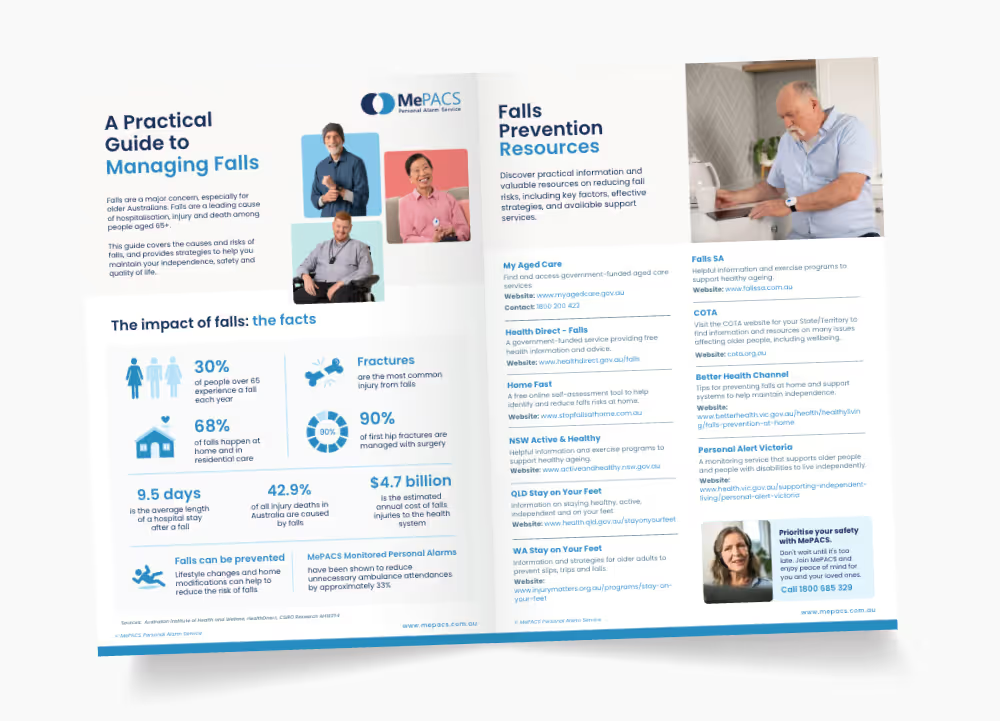
|
Download our falls prevention guideOur comprhensive 7-page falls prevention guide covers essential resources and practical tips for managing fall risks and living confidently. Learn more |
5 Tips for managing chronic pain
1. Staying active without making pain worse
When you're living with chronic pain, it can be tempting to avoid activity altogether. However, gentle movement can help maintain strength, flexibility and mobility. Activities such as walking, stretching, swimming and tai chi are often recommended because they place less stress on the body while helping to manage pain and stiffness. The key is to start slowly and build up gradually.
2. The connection between sleep and pain
Poor sleep and chronic pain often go hand in hand. Pain can make it harder to get a good night's rest, while lack of sleep can make pain feel worse. Establishing healthy sleep habits, such as maintaining a regular bedtime and creating a comfortable sleep environment, may help improve both sleep quality and pain management.
3. Managing stress and mental wellbeing
Chronic pain affects both physical and emotional health. Stress, anxiety and low mood can increase the body's pain response, creating a difficult cycle. Techniques such as mindfulness, deep breathing and short meditation can help you feel more in control and improve your overall wellbeing every day.
4. Finding the right balance
One of the most common mistakes people make when living with chronic pain is doing too much on a "good day". When pain is more manageable, it can be tempting to catch up on housework, errands or other tasks. Unfortunately, this can sometimes lead to increased pain and fatigue in the days that follow.
This pattern is often called the "boom and bust" cycle. People push themselves when they're feeling well, only to need extra rest and recovery afterwards.
Health professionals recommend these strategies:
- Breaking larger tasks into smaller steps
- Taking regular breaks before pain becomes severe
- Alternating between activity and rest
- Spreading tasks across several days instead of one
The goal isn't to push through pain. It's about finding a sustainable routine that allows you to stay active, participate in daily life and do the things that matter most to you. Over time, small and consistent changes can make a meaningful difference to comfort, confidence and quality of life.
5. Staying connected despite chronic pain
Chronic pain can make it harder to enjoy social activities, attend events or leave the house with confidence. Over time, some people begin to decline invitations or withdraw from activities they once enjoyed.
While this is understandable, social connection plays an important role in overall wellbeing. Staying in touch with friends, family and community groups can help reduce feelings of isolation and support mental health.
Ways to stay connected may include:
- Scheduling regular catch-ups with friends or family
- Joining a local community or support group
- Participating in gentle group activities
- Using technology to stay in contact when leaving home is difficult
Even small social interactions can help people feel more connected, supported and confident while managing chronic pain.
Can a personal alarm help people living with chronic pain?
Living with chronic pain can affect confidence and make everyday activities feel more challenging. Even with the right pain management strategies, concerns about a pain flare-up, fall or being unable to access help can affect confidence and independence.
Monitored personal alarms provide an added layer of support and reassurance, helping people maintain their independence and stay connected to the people and activities that matter most. They can also ease some of the pressure often carried by family members, friends and carers.
Here's how our monitored personal alarms help:
- Fast access to 24/7 professional responders
- We get you help even if you can't speak
- Your medical information is securely stored and can be provided to Triple Zero when needed
- We notify your nominated contacts
- We stay in contact until help arrives
While a personal alarm won't reduce chronic pain, it can help reduce some of the worry and uncertainty that often comes with living with it. Knowing support is always available can make it easier to focus on living life, rather than worrying about what might happen if something goes wrong.
Maintaining independence while living with chronic pain
Living with chronic pain can present ongoing challenges, but it does not have to mean giving up your independence. With the right support, healthy coping strategies and practical safety measures in place, you can continue doing the things that matter most to you.
FAQs
Can a personal alarm help during a pain flare-up?
While personal alarms cannot treat pain, they can provide fast access to help if symptoms become severe or you require additional support.
Will a personal alarm replace my existing care supports?
Monitored personal alarms work alongside the care you already receive, offering peace of mind through reliable round-the-clock support.
Where can I find more information about chronic pain management?
For more resources and information on chronic pain management visit Chronic Pain Australia.

|
.avif)

.avif)
.avif)