
How older Australians can stay safe at home
.avif)
For many Australians, home is where life happens. It's where families come together, routines become established, neighbours become friends and connections to local communities are built over many years. It's also where people often feel most comfortable, surrounded by the familiarity of home and the memories they've created there.
As Australia's population ages, more people are choosing to remain in their own homes for longer with around 1 in 4 older Australians living alone.
While living alone offers comfort, familiarity and freedom, it can also bring challenges when unexpected situations arise. This article explores how older Australians continue living safely at home with confidence.
Why more older Australians are choosing to stay at home
Many older Australians prefer to remain in familiar surroundings as they age, a concept often referred to as ageing in place. For many people, staying at home means remaining close to family and friends, maintaining established routines, and staying connected to their local community.
While residential aged care may be the right choice for some, the cost of care and limited availability of places can make it less accessible for others.
To support ageing well, the Australian Government provides a range of aged care services designed to help older Australians live safely and independently at home for longer.
What are the key risks of living alone as you age?
Living alone doesn't automatically mean you are at risk. However, certain challenges can become more significant over time.
Falls
Falls can happen to anyone, even in familiar surroundings. Understanding the risks and making small changes around the home can help improve safety and confidence. For more information, explore Healthdirect's falls prevention strategies, or download the MePACS Falls Prevention Guide for simple, practical ways to reduce falls risks and stay independent at home.
Medical emergencies
Unexpected health events such as dizziness, chest pain or sudden illness can occur without warning. Having a way to quickly access assistance can make a significant difference.
Mobility changes
Changes in strength, balance or mobility can affect everyday activities and increase the likelihood of accidents around the home.
Social isolation
While many older Australians enjoy living alone, reduced social contact can sometimes lead to feelings of loneliness and isolation. Over time, social isolation can affect both physical and mental wellbeing, and may make it more difficult for people to access support when they need it. Regular contact with family, friends, neighbours and community groups can help people stay connected, maintain confidence and identify health concerns before they become more serious.
5 ways to stay safe at home
1. Stay physically active
Regular physical activity helps maintain strength, balance and mobility, reducing the risk of falls and supporting overall health. People aged 65+ should aim for 30 minutes of physical activities most days.
2. Make your home safer
Simple home modifications can improve your safety, accessibility and reduce risk of falls.
These may include:
- Removing trip hazards such as loose rugs
- Improving lighting throughout the home
- Installing grab rails or handrails
- Keeping walkways clear
Get practical information on maintaining safety at home →
3. Stay connected
Strong social connections can play an important role in maintaining health and wellbeing. Whether it's catching up with friends, attending community activities or staying in touch with family, regular social interaction can help reduce isolation and promote a sense of belonging.
4. Prepare for emergencies
Having emergency contacts readily available and discussing plans with family members can help ensure support is easier to access if needed.
5. Use assistive technology to support safety
Assistive technology (AT), such as personal alarms and smart devices can provide support and peace of mind for people living alone. Monitored Personal Alarms provide 24/7 access to assistance at the press of a button, so you don't have to manage emergencies on your own.
Signs it may be time to consider additional support
Many people choose to explore additional support before a serious incident occurs.
Some signs may include:
- A recent fall or near fall
- Returning home after a hospital stay
- Managing multiple health conditions
- Changes in mobility or balance
- Family members expressing concerns about safety
Support can take many forms, from home care services through My Aged Care to personal alarm technology and community programs.
How a Personal Alarm can help
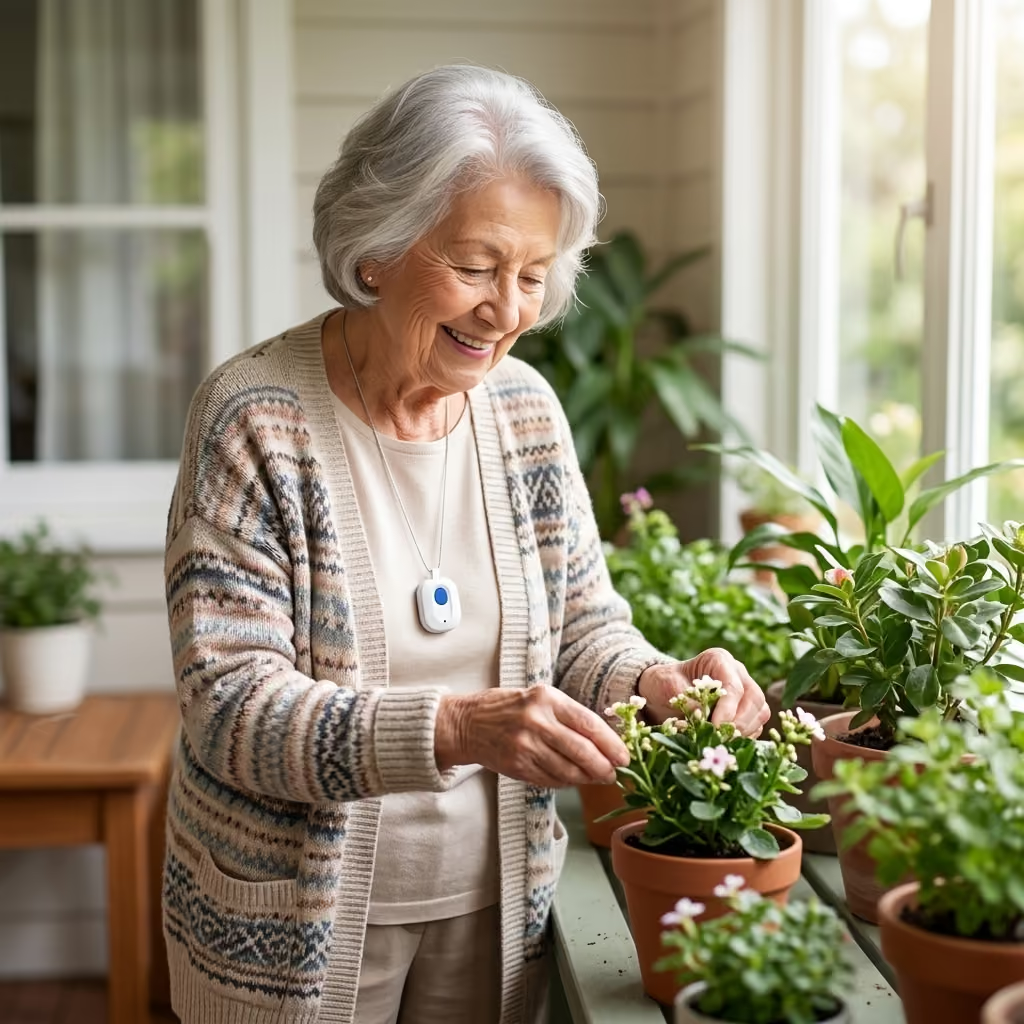
For many older Australians, staying at home isn't just about where they live—it's about maintaining routines, independence and connection to the things they enjoy. Whether it's tending to the garden, visiting friends or simply feeling comfortable in familiar surroundings, knowing support is available when needed can provide reassurance for both older Australians and their families.
A monitored personal alarm allows users to quickly access assistance during situations such as a fall, illness or emergency.
MePACS provides 24/7 monitored personal alarm services, helping older Australians stay connected to support while continuing to live safely at home and in the community.
Staying safe starts with being prepared
Living alone doesn't mean facing life's challenges alone.
With the right combination of planning, social connection, support services and safety measures, many older Australians can continue enjoying life in the homes they know and love.
Whether it's making small safety improvements around the home, exploring services through My Aged Care or considering a personal alarm, taking proactive steps today can help support confidence, independence and peace of mind into the future.
|
Ready to prioritise your safety?Talk to our team can about the right personal alarm for your needs. Contact Us |
%20(1).avif)

.avif)
.png)