
Waiting for Support at Home funding? There are steps you can take today
.avif)
More older Australians want to remain living independently at home for as long as possible. However, growing demand for Support at Home funded services means many Australians face a long wait for assessments, classifications and fapproval before support can begin.
The good news is there are practical steps you can take now to stay safe and independent while you wait.
What can you do while waiting?
It can be frustrating when support is needed now, but funding approvals and services take time to arrange. The good news is that there are several simple steps you can take in the meantime to help maintain your independence and peace of mind.
These might include:
- Reviewing safety around the home to help reduce the risk of falls
- Having conversations with family about future support needs
- Staying socially connected and engaged with your community
- Looking into supports that can be organised sooner while waiting for funding decisions
Every situation is different, but taking a few small steps now can help you feel more supported as you navigate the process.
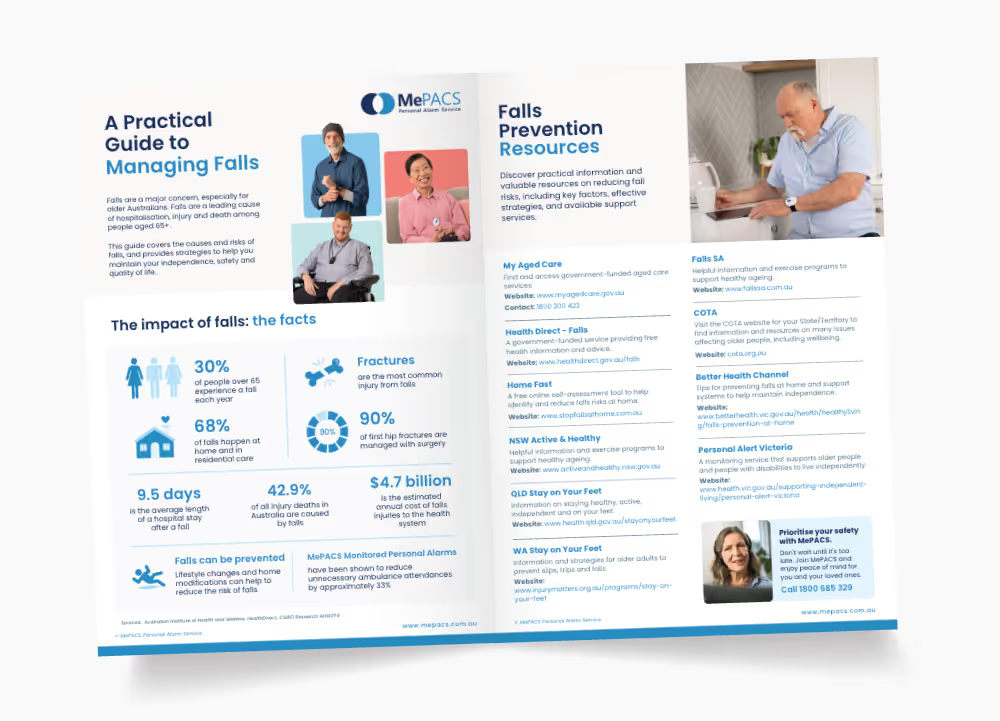
|
Download our falls prevention guideOur comprhensive 7-page falls prevention guide covers essential resources and practical tips for managing fall risks and living confidently. Learn more |
Some supports don't need to wait
While many aged care services require assessments, funding approvals and provider availability before they can commence, not every support needs to follow the same timeline.
Some practical supports can be arranged immediately, helping you stay safe and confident at home while longer-term services are being organised.
Depending on your circumstances, this might include making arranging assistance from family and friends, accessing community support programs, or organising a personal alarm for added peace of mind and access to help if it's needed.
Taking steps early can provide reassurance for both older Australians and their families while waiting for funded services to begin.
Do I need Support at Home funding to get a personal alarm?
A personal alarm can be one of the most effective ways to support independent living, helping you stay connected to assistance when it's needed most. While funding may be available to cover the cost of an alarm and monitoring services, you don't have to wait for funding approval to get started.
For people who are at risk of falls, living with a medical condition, or simply looking for added peace of mind, a personal alarm can provide immediate access to support while longer-term services are being arranged.
Personal alarm benefits include:
- 24/7 Emergency response
- Help available at the press of a button
- First aid trained professionals know how to handle emergencies
- Fast support following a fall or medical concerns
If cost is a concern, the MePACS Home Alarm offers an affordable way to access support sooner. The alarm itself is provided at no upfront cost, with monitoring available for less than $1.50 per day.
This means you can put support in place now, rather than waiting for funding decisions or services to commence. If you later receive Support at Home funding, we'll seamlessly transition your service to the appropriate funding arrangement, helping ensure your support continues without interruption.
Other funding pathways for personal alarms
Depending on your circumstances and location, you may also be eligible for state-funded programs that help cover the cost of a personal alarm.
- In Victoria, eligible residents can access support through the Personal Alert Victoria (PAV) program.
- In South Australia, the Personal Alert AssistanceSA (PAASA) program may provide funding for eligible participants.
Importantly, receiving a funded personal alarm through one of these programs does not affect your eligibility to apply for or receive Support at Home funding. This means you may be able to access a personal alarm now while still pursuing additional support services in the future.
State-funded personal alarm programs can also offer greater continuity, as funding is generally ongoing and does not require annual reassessment. For many people, this provides a simple and reliable way to stay connected to help and maintain their independence at home.
A small step that can make a big difference
Applying for Support at Home funding is an important step towards accessing future care and support. However, support doesn't always need to wait until funding is approved. A personal alarm can provide immediate access to help, offering added confidence for older Australians and peace of mind for the people who care about them.
Understanding the different funding options can be challenging, especially when support is needed sooner rather than later. Our team can help you explore the pathways available, check whether you're eligible for government-funded programs, and explain the quickest way to access a personal alarm so you can stay safe and supported while longer-term services are being arranged.

|
Looking for personal alarm funding?Contact us today to find out which funding pathways may be available to you. Contact Us |
.avif)

%20(1).avif)
.png)