What to do after a fall: Practical advice for better recovery
Falls make up the largest share of MePACS alarm activations, accounting for nearly 40% of all incidents in recent years. That's because falls can happen to anyone, anywhere, with most occurring in and around the home. More importantly, falls are often not random events. They can be an early warning sign of changes in health, mobility, balance, strength, medication use or cognitive function.
While many falls result in minor injuries, others can have significant physical and emotional consequences that affect confidence, mobility and independence.
Knowing what to do after a fall, when to seek medical attention, and how to reduce the risk of future falls can make a significant difference to your recovery and wellbeing.
Key takeaways
- Why do falls happen
- Stay calm and assess yourself before trying to get up.
- Seek urgent medical attention if you experience symptoms such as head injury, severe pain or loss of consciousness.
- A long lie can increase the risk of complications after a fall.
- The emotional impacts of a fall can be just as significant as physical injuries.
- Rehabilitation and falls prevention strategies can help reduce the risk of future falls.
- Personal alarms can help reduce the risks associated with being unable to call for help.
Why do falls happen?
A fall is often caused by a combination of factors rather than a single issue.
Common causes of falls include:
- Muscle weakness and reduced mobility
- Poor balance
- Medication side effects
- Low blood pressure
- Vision problems
- Foot pain and unsuitable footwear
- Hazards around the home
- Acute illness or infection
- Alcohol consumption
Assessing and understanding the cause can help reduce the risk of future falls.
What to do immediately after a fall
A sudden fall can be frightening and disorientating but it's important to stay as calm as possible and avoid get up too quickly.
1. Stay where you are and assess the situation
Take a few moments to check how you feel before attempting to move. Rushing to stand up can worsen an injury and increase the risk of another fall.
Pay attention to any:
- Sharp or severe pain
- Dizziness
- Bleeding
- Weakness
- Numbness
- Confusion or disorientation
Also take note of your surroundings and any hazards such as wet surfaces, loose objects, broken glass or furniture that may have contributed to the fall.
2. Check for injuries
Determine whether you can move comfortably and without significant pain. If you suspect a serious injury, such as a head injury, broken bones, neck injury or hip injury, do not attempt to get up. Instead, call for help and remain where you are until assistance arrives.
3. Call for help if you need it
If you're wearing a monitored personal alarm with fall detection, such as the MePACS Mobile Alarm or Solo Connect watch, the fall may have already triggered an alert. However, if you're able to do so, it's still a good idea to activate the alarm manually to ensure assistance is notified as quickly as possible.
If you don't have a personal alarm and your phone is within reach, consider calling a family member, friend or neighbour for assistance. If you're unable to reach a phone or attract attention another way, calling out for help may be the best option.
4. Get up safely if you are able
If you've checked yourself for injuries and feel confident that you can get up safely, do so carefully and slowly.
This illustrated NSW Government fact sheet provides step-by-step guidance on how to get up after a fall. Practising these techniques can help build confidence and prepare you if a fall occurs in the future.
If you're unsure, experiencing pain, or feel unsafe attempting to stand, remain where you are and wait for assistance.

|
Beverly's storyWhen two falls in her garden left her unable to get up, Beverly was grateful she had a way to call for help. Read Beverly's story and discover how a MePACS gave her confidence again. Read more |
Seeking medical attention after a fall
Even if you feel fine immediately after a fall, it's important to monitor yourself for symptoms that may develop later.
You should seek urgent medical attention if you experience:
- Loss of consciousness
- A head injury
- Severe pain
- Suspected fractures
- Persistent dizziness
- Difficulty walking
- Chest pain
- Sudden weakness or numbness
- Significant bleeding
What if you've fallen more than once?
While a single fall can sometimes be an accident, repeated falls may indicate an underlying issue such as changes in balance, mobility, vision, medication use or overall health.
If you've experienced multiple falls, seek a medical assessment with your GP or healthcare professional. Identifying the cause is an important step towards preventing future falls.
Understanding the dangers of a long lie
One of the most serious consequences of a fall is what's known as a "long lie". A long lie occurs when a person falls and remains on the floor for an extended period because they are unable to get up or call for help.
Research has shown that prolonged periods of immobility after a fall are associated with poorer health outcomes and increased rates of hospitalisation. Early assistance can significantly improve recovery outcomes.
Potential consequences of a long lie include:
- Dehydration
- Pressure injuries
- Reduced circulation
- Muscle damage
- Increased risk of hospitalisation
- Loss of confidence and independence
The longer a person remains without assistance, the greater the risk of complications.
The emotional impact of a fall
The effects of a fall are not always physical. Many people experience anxiety, reduced confidence or a fear of falling again after an incident. These feelings can have a significant impact on day-to-day life and may make it harder to maintain the activities and routines that support health and wellbeing.
Some people become reluctant to leave the house, participate in social activities or remain physically active. While these reactions are understandable, avoiding activity can gradually lead to reduced muscle strength, poorer balance and decreased mobility, which may increase the risk of future falls.
Over time, a loss of confidence can also affect a person's independence, leading them to rely more heavily on family members, carers or support services for tasks they previously managed on their own.
Recovery and rehabilitation after a fall
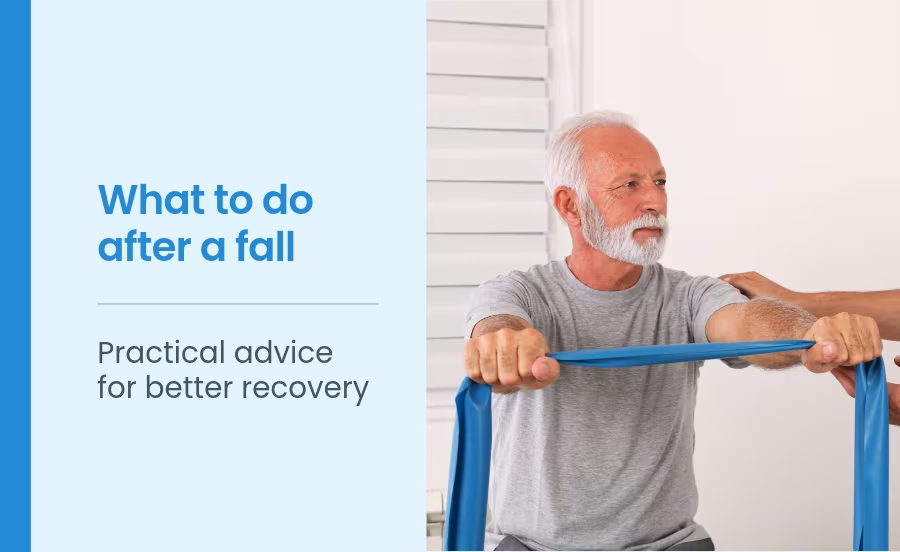
Recovering from a fall can take time, both physically and emotionally. Depending on the circumstances, rehabilitation may involve support from:
Allied health professionals such as Physiotherapists and Occupational Therapists can assess your mobility, strength, balance and home environment, then develop a personalised recovery plan designed to help restore confidence and reduce future falls risk.
Recovery strategies may include:
- Balance and strength exercises
- Mobility training
- Home modifications
- Falls prevention education
- Rehabilitation programs tailored to your needs
The goal is not only to recover from the fall itself, but also to support ongoing independence and confidence.
Reducing your risk of future falls
After a fall, it's worth taking some time to understand why it happened and whether any changes could reduce the likelihood of another fall.
Some practical falls prevention strategies include:
- Reviewing medications with your GP
- Having your vision checked regularly
- Improving lighting throughout the home
- Removing trip hazards and clutter
- Wearing appropriate footwear
- Using mobility aids if recommended
- Participating in strength and balance exercises
- Addressing any underlying health conditions
Small changes can make a meaningful difference to safety and confidence.
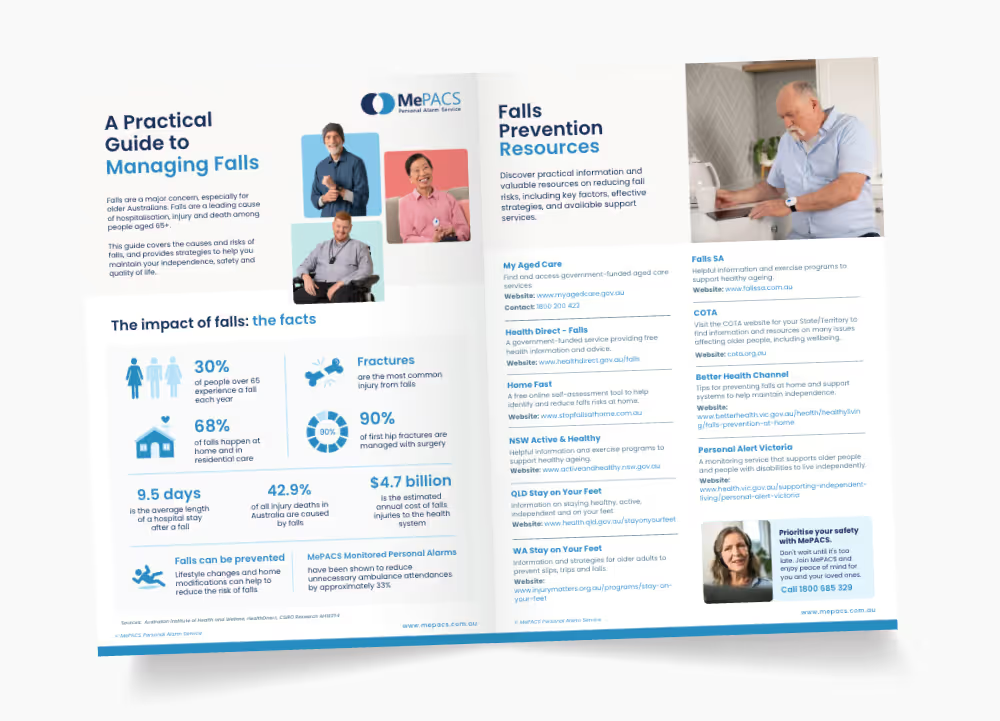
|
Download our falls prevention guideOur comprhensive 7-page falls prevention guide covers essential resources and practical tips for managing fall risks and living confidently. Learn more |
Can personal alarms help prevent falls?
While personal alarms cannot prevent falls from happening, they have been shown to be an effective strategy to prevent a long lie after a fall. Additionally, research involving MePACS found that the service resulted in approximately one-third of ambulance attendances being avoided.
Falls detection technology in personal alarms can automatically raise an alert after certain types of falls, which may be particularly valuable if a person is injured, unconscious, immobilised or otherwise unable to call for help themselves.
However, it's important to understand that falls detection is not a substitute for pressing the alarm button when help is needed. Like all technology, falls detection has limitations. Real-world performance can vary, and there may be occasions when a fall is not detected or when an alert is triggered by an activity that is not a fall.
Monitored vs unmonitored personal alarms
Personal alarms are designed to connect people with help when they need it. The main difference between alarm services is who receives the alert and what happens next.
Monitored personal alarms
Monitored personal alarms are connected to a 24/7 professional response team. When an alarm is activated, trained responders assess the situation and arrange the appropriate assistance, whether that's contacting emergency services or notifying nominated contacts such as family, neighbours or carers.
Because every alert is managed by trained professionals, monitored alarms provide added reassurance that help is available around the clock. They can also reduce the pressure on family members, especially around false alerts. For many people, this additional support provides valuable peace of mind and reassurance.
Unmonitored personal alarms
Unmonitored personal alarms send alerts directly to programmed nominated contacts. Notifications may be delivered through phone calls, text messages or a mobile app, depending on the device.
While unmonitored systems often offer a lower-cost option, the responsibility for receiving, assessing and responding to alerts rests with the nominated contacts. This means they need to be available to respond and know what to do, regardless of the time of day.
Which option is right for you?
The best option depends on your circumstances, support network and level of risk.
For people who are at risk of falls, living alone, or concerned about what might happen in an emergency, the reassurance of knowing that trained professionals are available 24/7 to respond to every alert and coordinate assistance can be invaluable. Rather than relying solely on family members or carers to be available at all times, a monitored personal alarm ensures help is always just a button press away.
Conclusion
Falls can happen to anyone, but knowing how to respond can make a significant difference to both recovery and long-term wellbeing. Taking the time to assess injuries, seek medical advice, participate in rehabilitation and address any underlying causes can help reduce the risk of future falls. Equally important is having a plan in place should another fall occur.
While falls prevention remains the best strategy, tools such as monitored personal alarms can provide additional reassurance that if help is needed, it is never far away.

|
Concerned about falls? We're here to help.Whether you've experienced a fall, are concerned about future falls, or want additional peace of mind for yourself or a loved one, MePACS can help you explore personal alarm options tailored to your needs. Contact Us |