
How wearable technology can support senior living

Staying safe, active, and connected is important at every stage of life. Whether you're heading out for a walk or relaxing at home, knowing your wellbeing is supported and help is within reach brings real peace of mind. That’s where wearable technology can make a difference and even enhance your quality of life. From tracking your steps to accessing help in an emergency, wearable devices offer reassurance, security and freedom.
What is wearable technology?
Wearable technology includes smart devices that can detect and collect data about your health and wellbeing. Such devices include smartwatches, pendants and fitness bands and the information they collect can include:
- Heart rate
- Blood pressure
- Steps taken
- Exercise and physical activity
- Sleep quality
- Stress monitoring
With regular use, these devices can help you (and your healthcare team) notice changes over time — making it easier to spot trends and prevent issues before they become serious.
Why wearable technology is worth considering
Many older Australians are already using wearables to stay motivated with fitness goals, keep family or carers informed of their wellbeing and feel more confident when managing their daily routines. You don’t need to be tech-savvy to benefit from the technology — most devices are designed with simplicity in mind and support is available to help you get started.
How can wearable technology support independence?
Many people use wearable technology to help maintain their confidence and continue doing the things they enjoy. Whether it's going for a walk, visiting friends, attending appointments or staying active in the community, wearable devices can help users feel more connected and in control of their daily lives.
Features such as activity tracking, health monitoring and personal safety tools can provide added reassurance, helping people stay engaged in their usual routines while knowing support is available if needed.
Can wearable technology support ageing in place?
For many older Australians, ageing in place means remaining in the comfort of their own home for as long as possible. Wearable technology can support this by helping people manage their wellbeing and access assistance if an emergency occurs.
Personal alarm watches with features such as automatic fall detection, GPS location technology, two-way voice communication and 24/7 emergency response can provide an additional layer of safety. This can be especially valuable for people who live alone, giving both users and their families greater confidence that help is available when it's needed.
What type of devices are available?
Here are a few types of wearable devices available in Australia today:
What's the difference between a smartwatch and a personal alarm watch?
While both are worn on the wrist and may include features such as fall detection, GPS and wellness tracking, they are designed for different purposes.
Smartwatches are primarily designed for fitness, communication and lifestyle features, helping users track activity, receive notifications and stay connected. Personal alarm watches, on the other hand, are purpose-built to provide fast access to help during an emergency.
The MePACS Solo Connect watch combines the convenience of a smartwatch with the reassurance of a monitored personal alarm. Along with health and wellbeing features, it includes automatic fall detection, GPS location technology and direct access to the MePACS 24/7 emergency response team at the press of a button, helping users stay safe, active and independent wherever they go.
How do I choose the right wearable device for my needs?
The best wearable device depends on your health needs, lifestyle and priorities.
Some people are primarily interested in tracking fitness and wellbeing, while others may be looking for additional safety features and access to emergency assistance.
Personal alarm devices with automatic falls detection are particularly important for people at risk of falls, as they can reduce the time that it takes to get help, avoiding the dangers of lying on the ground for an extended amount of time.
|
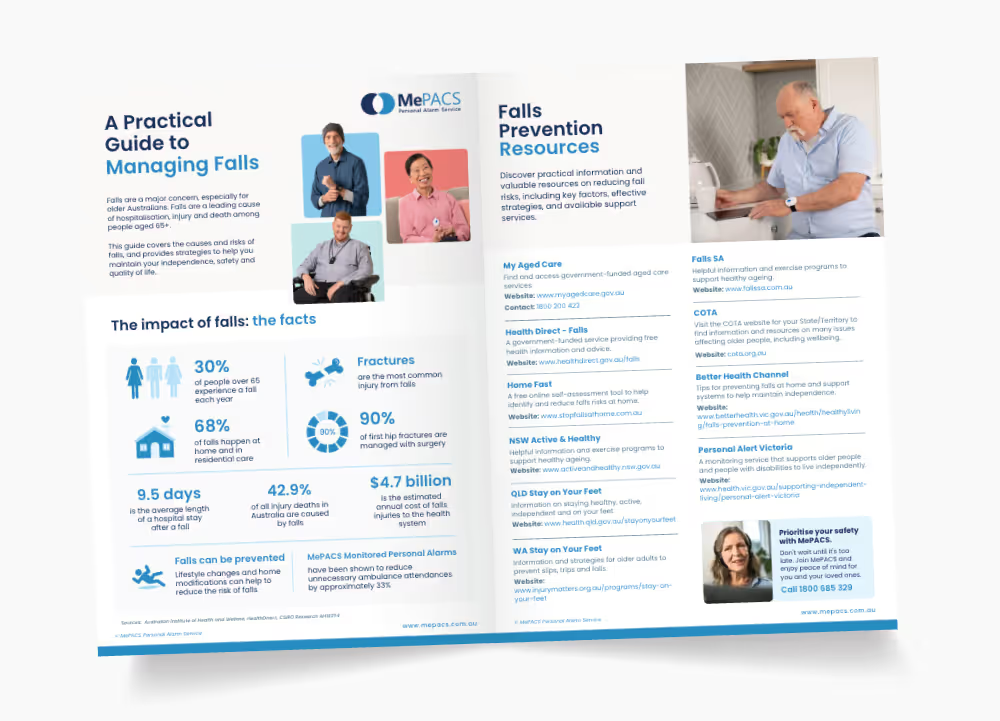
Download our falls prevention guideOur comprhensive 7-page falls prevention guide covers essential resources and practical tips for managing fall risks and living confidently. Learn more |
More than a wearable: a tool for confidence and peace of mind
Wearable technology is about more than convenience. It can help people stay active, monitor their wellbeing and access support when they need it most.
Whether you're looking to track your health, maintain your independence or gain added peace of mind, the right wearable device can help you enjoy life with greater confidence, while staying connected, supported and in control.
.avif)

.avif)
%20(1).avif)