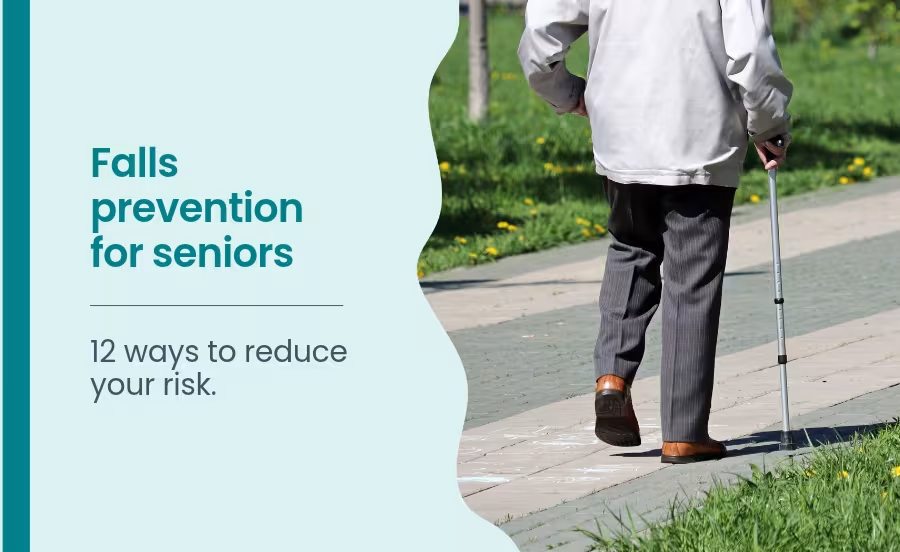
Falls Prevention for seniors: 12 ways to reduce your risk
Falls are one of the leading causes of injury-related hospitalisations among older Australians. According to the Australian Institute of Health and Welfare (AIHW), more than half of all hospitalised fall-related injuries occur in the home, with many caused by common household hazards such as clutter, furniture and unsecured cords.
Falls can have serious physical and emotional consequences. They are a leading cause of head, hip and thigh injuries, and can result in lengthy hospital stays, reduced mobility and loss of confidence. For many older people, the fear of falling can also affect independence and participation in everyday activities.
The good news is that many falls can be prevented.
By making simple changes to your home environment, staying active, managing health conditions and seeking professional advice when needed, you can significantly reduce your risk of falling and continue living independently.
What causes falls in older adults?
Falls are often caused by a combination of factors rather than a single issue. As we age, changes in strength, balance, vision and overall health can increase the likelihood of falling.
Some of the most common causes of falls include:
- Muscle weakness and reduced mobility
- Poor balance and coordination
- Vision impairment
- Medication side effects
- Chronic health conditions
- Foot pain and unsuitable footwear
- Clutter and trip hazards around the home
- Poor lighting
- Vitamin deficiencies
- Previous falls and fear of falling
Understanding your individual risk factors is an important first step in preventing future falls.
Learn about falls prevention
Falls should not be viewed as an inevitable part of ageing. The more informed you are about risk factors and prevention strategies, the better equipped you'll be to protect your health and independence.
Speak to a GP or physiotherapist, attend a health seminar or research reputable sites online, such as Better Health and Australian and New Zealand Falls Prevention Society.
Learning about falls prevention empowers you to make safer choices and maintain an active lifestyle.
|
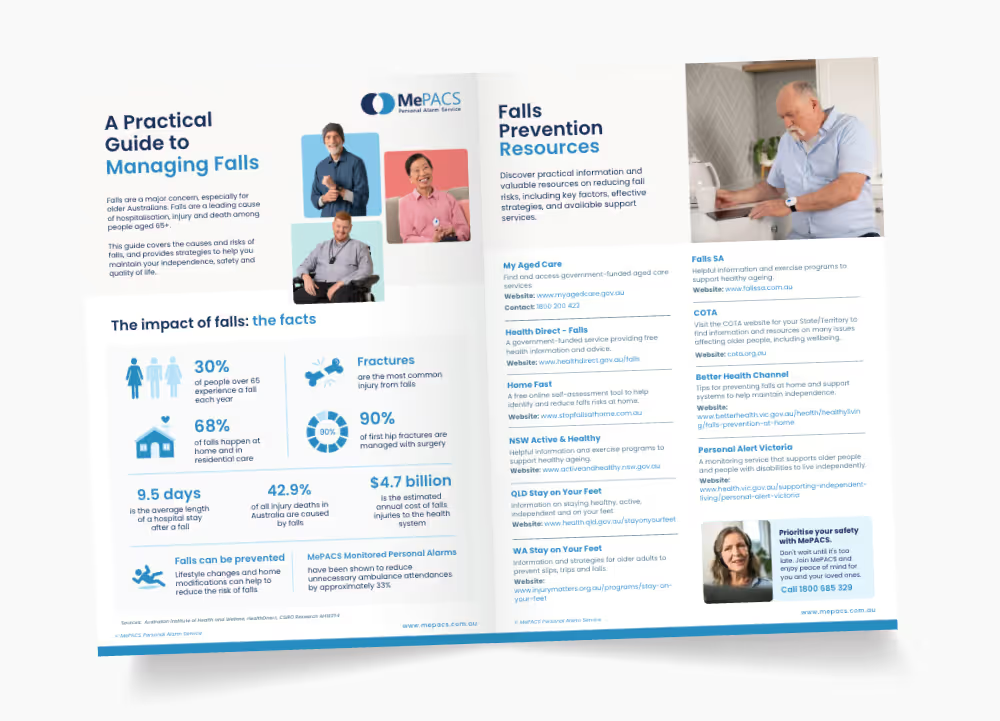
The MePACS falls prevention guideOur comprhensive 7-page falls prevention guide covers essential resources and practical tips for managing fall risks and living confidently. Learn more |
Here are 12 practical ways you can help reduce your risk of falls:
1. Remove clutter and trip hazards around the home
Many falls are caused by everyday household items such as rugs, beds, tables and chairs, as well as clutter and loose electrical cords.
Sophie, an occupational therapist at Peninsula Health, says creating a safe home environment is one of the most effective falls prevention strategies.
Simple improvements might include:
- Removing loose rugs
- Securing electrical cords
- Rearranging furniture to create clear walkways
- Installing handrails near steps
- Adding grab rails in bathrooms and toilets
2. Improve balance and strength with exercise
Regular physical activity can help reduce falls risk while improving mobility, confidence and overall wellbeing.
Exercises that focus on balance, strength and movement help maintain muscle mass and coordination, making everyday activities safer and easier. Always start small and build up your fitness level in a comfortable and safe environment.
Activities such as walking, strength training, Tai Chi and physiotherapist-guided exercise programs can all help reduce your likelihood of falling.
If you're unsure where to begin, a physiotherapist can assess your mobility and recommend exercises suited to your abilities and goals. There are also websites with simple exercises you can do at home, such as Safe Exercises at Home and Home Exercises for Falls Prevention.
3. Improve lighting throughout the home
Poor lighting can make it difficult to spot hazards such as stairs, furniture, uneven flooring and loose rugs.
As vision naturally changes with age, adequate lighting becomes increasingly important for safety.
Consider:
- Installing motion-activated lighting
- Using night lights in bedrooms and hallways
- Improving stairway lighting
- Ensuring outdoor paths are well lit
- Reducing glare from windows with appropriate coverings
Better lighting can improve visibility and help you navigate your home more safely.
4. Review your medications
Many medications can affect balance, alertness and coordination, so it's important to understand the potential side effects of any medication you're taking.
Some medications that can affect balance and increase falls risk include:
- Antidepressants
- Antipsychotics
- Antihypertensives
- Benzodiazepines
- Opioid pain medications
- Anticonvulsants
If you take multiple medications, ask your GP or pharmacist to conduct a medication review. Identifying medications that contribute to dizziness or unsteadiness may help reduce your risk of falling.
Never stop taking prescribed medications without seeking medical advice.
5. Wear supportive footwear
Footwear plays an important role in balance and stability. Shoes with non-slip soles, good arch support and a secure fit can help improve balance and gait and reduce pain and discomfort.
Avoid:
- Walking in socks on smooth flooring
- Loose-fitting slippers
- Worn-out shoes with limited grip
A podiatrist can assess your gait and recommend footwear, exercises or orthotics that may improve stability.
6. Have your eyes tested regularly
Good vision helps you identify obstacles, judge distances and maintain balance.
Age-related vision changes can affect:
- Depth perception
- Contrast sensitivity
- Peripheral vision
- Overall visual clarity
An annual eye examination can help identify conditions such as glaucoma, cataracts and macular degeneration before they begin to significantly impact mobility and safety.
7. Check for vitamin deficiencies
Some vitamin deficiencies can increase falls risk but supplementing daily vitamins can help restore healthy levels.
Vitamin D and Calcium are particularly important for bone health and structure, and can prevent the onset of osteoporosis. Vitamin B12 can also support better balance and an improved gait.
Before taking supplements, talk to your GP about testing for deficiencies and developing an appropriate treatment plan that is tailored to your needs.
8. Use mobility aids when needed
Mobility aids can provide additional support and confidence while walking.
Examples include:
- Walking sticks
- Walking frames
- Four-wheel walkers
- Crutches
When correctly prescribed and fitted, mobility aids can improve stability, support independence, help prevent falls and lower the risk of injury.
If you feel unsteady when walking, please seek advice from a physiotherapist, occupational therapist or other healthcare professional.
9. Keep everyday items within easy reach
Frequently used items should be stored at a height that is easy to access.
Reaching overhead, bending excessively or climbing onto chairs and stools significantly increases the likelihood of losing balance.
Store regularly used items in convenient locations to reduce unnecessary risks and consider using reaching aids for retrieving items from the floor or higher shelves.
10. Consider hip protectors
While hip protectors won't prevent a fall, they may help reduce the severity of injuries. Designed with shock-absorbing materials, hip protectors can help protect vulnerable areas from impact during a fall.
They may be particularly useful for people living with osteoporosis or those at high risk of fractures.
Modern solutions from companies like Independence Australia, Impact Active, Hip Saver, etc. are small and discrete enough that they fit underneath your clothes.
11. Talk to family, friends and carers
Falls prevention should not be something you manage alone.
Discussing concerns with trusted family members, friends or carers can help identify hazards, set health goals and create a falls plan for staying safe.
A strong support network can also provide reassurance, practical assistance and encouragement as you work towards improving your health and mobility.
Occupational Therapist Sophie recommends maintaining regular contact with trusted family members and friends.
"Having a close friend or family member check in with you every so often helps. Then you know you've got someone to rely on and trust if something doesn't feel right."
12. Consider a monitored personal alarm with falls detection
While no device can prevent falls, personal alarms can provide fast access to assistance when help is needed. This can help reduce the risks associated with a long lie, including dehydration, pressure injuries and other complications from falls.
Personal alarms can also provide peace of mind and greater confidence to remain active and independent. For some people, this increased confidence can encourage greater participation in everyday activities, helping to support mobility, wellbeing and overall quality of life.
This can be particularly valuable for people who:
- Live alone
- Have experienced falls before
- Have mobility concerns
- Want additional confidence when out and about
The MePACS Solo watch and Mobile Alarm include built-in falls detection technology which can identify hard falls and alert the MePACS 24/7 Response Centre, even if you're unable to call for help yourself. When a fall is detected, our trained responders quickly assess the situation and determine the best course of action - whether it's calling an ambulance or a family member to provide help.

|
How does falls detection work?Falls detection is a valuable feature in many personal alarms. But how does it actually work, and what can it detect? Read more → |
Medical follow-up after a fall
If you experience a fall, it's important to tell your GP or healthcare team, even if you don't think you've been seriously injured.
Not only do they need to be aware so that they can treat you for any injuries, but they will also develop an appropriate recovery program for you.
A fall may indicate underlying issues such as:
- Medication side effects
- Balance problems
- Vision changes
- Muscle weakness
- Chronic health conditions
A medical assessment can help identify the cause of the fall, while a personalised recovery plan will help you regain your strength, mobility, balance and confidence, and reduce the risk of recurring falls.
Key takeaways
- More than half of fall-related injuries occur in the home.
- Falls are often caused by a combination of health, mobility and environmental factors.
- Regular exercise that improves strength and balance can significantly reduce falls risk.
- Good lighting, supportive footwear and hazard-free walkways can make your home safer.
- Medication reviews and regular health checks can help identify hidden falls risks.
- Personal alarms with falls detection can help ensure assistance is available if a fall occurs.
Conclusion
Falls can have a significant impact on health, confidence and independence, but many falls are preventable. Simple changes such as improving home safety, staying physically active, reviewing medications and addressing health concerns can substantially reduce your risk.
If you or a loved one are concerned about falls, speak with your GP or healthcare team about creating a personalised falls prevention plan. For added peace of mind, a monitored personal alarm with falls detection may help ensure assistance is available when it's needed most.
Medical Disclaimer: This content is for informational purposes only and should not be considered medical advice. Always consult a healthcare professional for personalised medical recommendations.

|
Find the right personal alarmGet personalised advice and support to help you choose the personal alarm that best meets your needs. Contact Us |